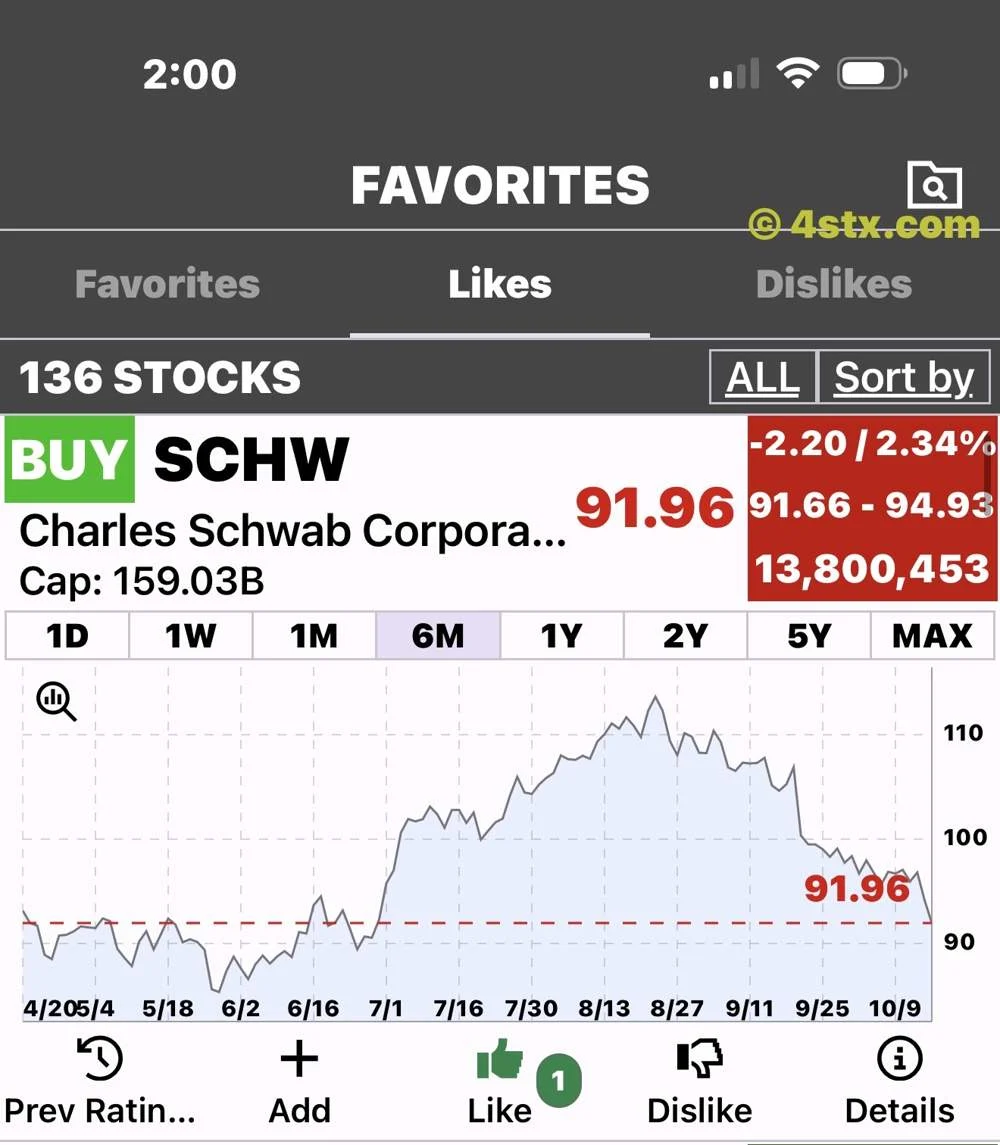
Costco’s latest cash announcement concerns shareholders rather than the shopping cart. On October 14, 2026, the company declared a quarterly dividend of $1.47 per common share.
The payment is scheduled for November 13, 2026, for shareholders of record at the close of business on October 30, according to the company’s SEC-filed announcement. The declaration offers a timely opportunity to examine what a dividend tells readers—and what it leaves unanswered.
For TasteOfMoney, a familiar retailer can have two distinct money stories. One concerns what members buy. The other concerns the experience of owning part of the business.
The payment scales with the eligible shareholding
At the announced rate, an eligible holder of 10 shares would receive $14.70 before any applicable taxes or account-specific treatment. An eligible holder of 100 shares would receive $147.
Those are simple calculations of this declared payment, not assumptions about how many shares anyone owns. They make the relationship between the per-share announcement and a cash amount explicit.
The declaration is quarterly. Multiplying $1.47 by four produces $5.88, but that arithmetic is not a promise of the next four payments. This announcement establishes the declared dividend, not every future board decision.
The distinction matters because income projections can look more certain than their underlying assumptions. A clearly stated payment and a hypothetical annualized amount answer different questions.
The record date is not the only date to check
Investor.gov explains that dividend eligibility involves both the record date and the ex-dividend date. Buying on or after the ex-dividend date does not entitle the buyer to the next payment; purchasing before it does, under the ordinary cash-dividend framework described by the site.
That makes it important to avoid treating the payment date as a purchase deadline. The day cash is distributed is a different event from the dates that determine entitlement.
This article does not independently confirm an exchange-designated ex-dividend date for Costco’s payment. Readers considering a transaction should check the relevant security’s published dates rather than infer eligibility from November 13 alone.
The purpose is to explain the distinction, not to recommend a trade designed around the payout.
A dollar dividend does not tell you the yield
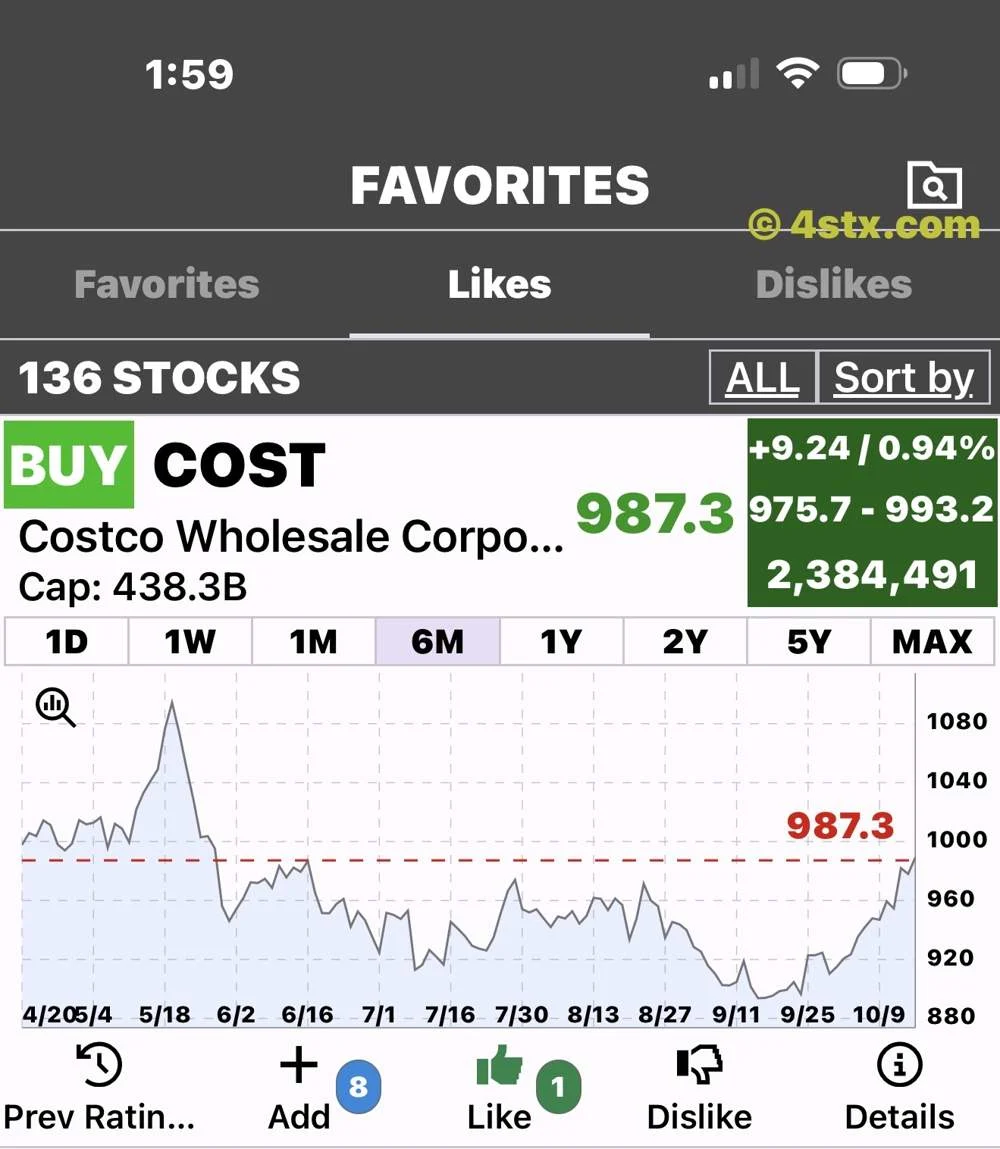
The declared $1.47 amount describes cash per share. It does not, by itself, describe the size of that payment relative to the cost of buying a share.
Imagine a hypothetical stock paying a $1 dividend. At a hypothetical purchase price of $100, that single payment equals 1% of the purchase price. At $200, the same payment equals 0.5%.
Neither price is a current Costco quote. The example illustrates why the denominator matters when discussing yield.
Without a verified share price and a clearly defined period, attaching a yield to the announcement would create more precision than the evidence supports. This article therefore reports the declared payment without supplying a live dividend-yield estimate.
Income and total return belong in the same conversation
Vanguard’s explanation of portfolio performance distinguishes price appreciation from total return, which also accounts for income such as dividends. That broader comparison is useful when evaluating an investment.
Consider a hypothetical share bought for $100, later worth $98, with $1 received in cash dividends during the period. Ignoring taxes, fees and reinvestment, its combined value would be $99—a loss of $1 relative to the original purchase.
The dividend is still real income in the example. It simply does not cancel every possible movement in the share price.
That arithmetic is not a forecast for Costco. It explains why an attractive cash payment should not be treated as a guaranteed positive overall outcome.
The declaration is concrete; the investment judgment is broader
Costco’s announcement provides a specific payment, a record date and a scheduled distribution date. Those are useful facts that deserve accurate reporting.
It does not establish whether the shares are inexpensive, predict their next price movement or settle whether they fit a particular investor’s objectives.
The useful reading is to start with the payment and then keep the other questions visible: entitlement, purchase price, future distributions and the value of the shares themselves. A familiar business name makes the announcement accessible. Careful definitions make its financial meaning clearer.