A bigger total at the checkout is not always a sign of a better shopping trip. Sometimes it means buying more. Sometimes it means paying more for what was already on the list. September’s retail-sales report makes that distinction worth keeping in mind.
The U.S. Census Bureau’s October 15, 2026 release estimated retail and food services sales at $745.0 billion in September, up 0.8% from August. The figures account for seasonal variation and holiday and trading-day differences, but they are not adjusted for price changes.
That last qualification is central to the story. A rising dollar total measures spending, rather than directly counting the goods and services households received.
Gasoline changes the meaning of the headline
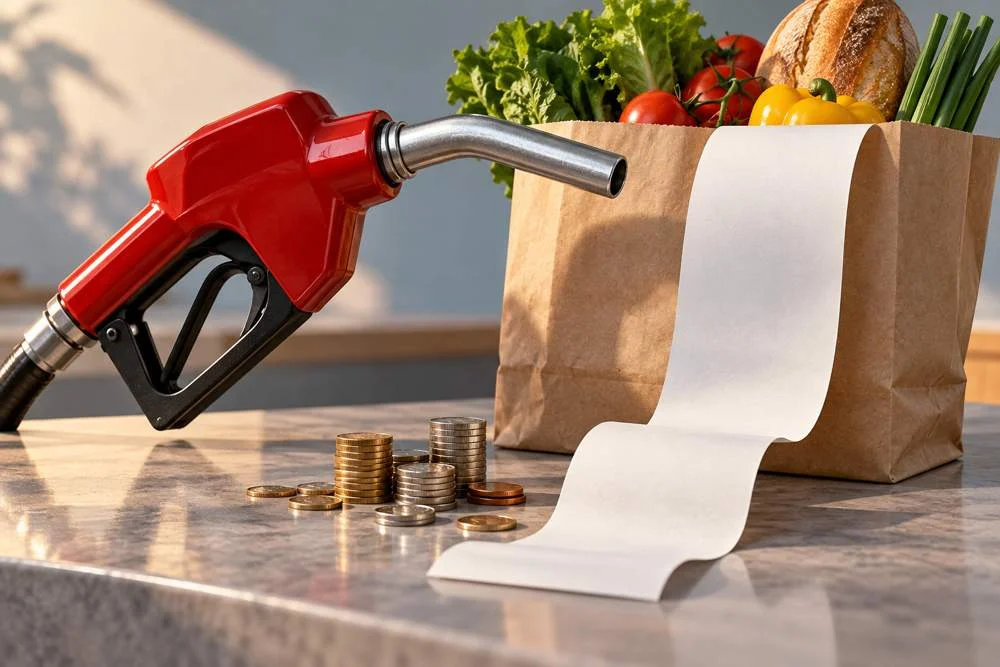
Associated Press reported that sales at gas stations rose 6.4% in September. Excluding gas stations, overall retail sales increased 0.2%. Its reporting highlighted larger gasoline bills as an important part of the month’s gain.
Those comparisons put the headline in perspective. The total increase does not mean every type of store enjoyed the same growth, or that households felt equally comfortable making optional purchases.
It would also be wrong to read the gas-station sales increase as an identical percentage rise in gasoline prices. Sales receipts and prices are different measures. The figures here describe sales, not a verified national pump-price change.
For TasteOfMoney readers, the distinction is practical. Money spent keeping a car moving can lift an economic spending total without feeling like a new luxury at all.
More dollars can buy the same amount
Consider a hypothetical driver who buys 10 gallons of fuel. At $4 per gallon, that purchase costs $40. At $4.40 per gallon, the same quantity costs $44.
Spending rises 10% in the example, but the driver receives no additional fuel. The calculation illustrates the difference between a dollar-sales increase and an increase in the quantity purchased.
These are invented inputs for a clearly labeled arithmetic example, not actual gasoline prices collected for this article. They show why a spending number alone cannot tell the whole story about purchasing power.
The opposite situation is also possible: a shopper could spend more because they chose to buy more. Distinguishing those possibilities requires evidence beyond a total measured in dollars.
A national total is not a household budget
The retail report combines transactions across many shoppers and businesses. It does not establish whether a particular family has more money left after paying its bills.
Imagine two hypothetical households with identical incomes. One drives frequently for work; the other makes fewer car journeys. A change in fuel costs could affect the room left in their budgets differently.
That example is not a claim about a specific occupation, region or income group. It explains why the same national headline can coexist with very different personal experiences.
A useful household comparison starts with the purchases actually made: what changed in price, what changed in quantity, and what was postponed or replaced. A single growth percentage cannot answer those questions for every reader.
The revised comparison deserves attention too
The Census Bureau revised August’s month-to-month increase from 1.1% to 1.3%. September’s estimate is an advance estimate, which is another reason to keep the reporting stage attached to the number.
Revisions are part of interpreting economic releases. The latest reported comparison can differ from the figure readers remember seeing previously.
That does not make the data useless. It means a careful account should identify the current estimate and avoid presenting early numbers as permanently fixed.
The report also says September sales were 6.3% above September 2025. That year-over-year comparison covers a different interval from the monthly change and should not be substituted for it.
Spending strength needs a definition
September’s report shows a higher dollar total for retail and food services sales. The gas-station comparison makes clear why that result needs more explanation than a simple declaration that shoppers are splurging.
It does not prove that every household is struggling, and it does not prove that every household is prospering. Neither conclusion follows from a national sales total alone.
The more useful question is what the extra spending bought. When additional dollars go toward the same necessary purchase, a stronger sales headline can feel surprisingly ordinary—or uncomfortable—inside the household paying the bill.