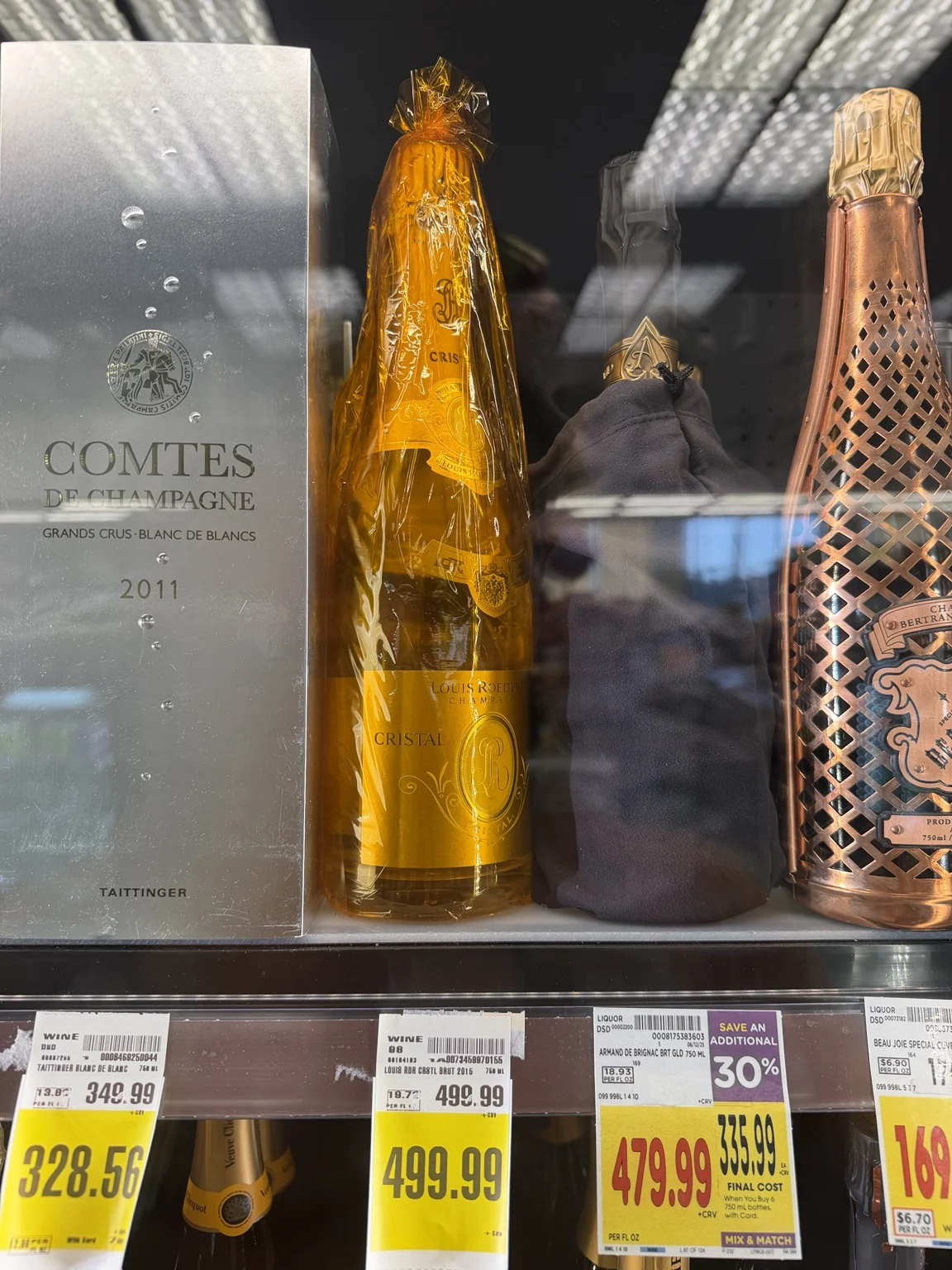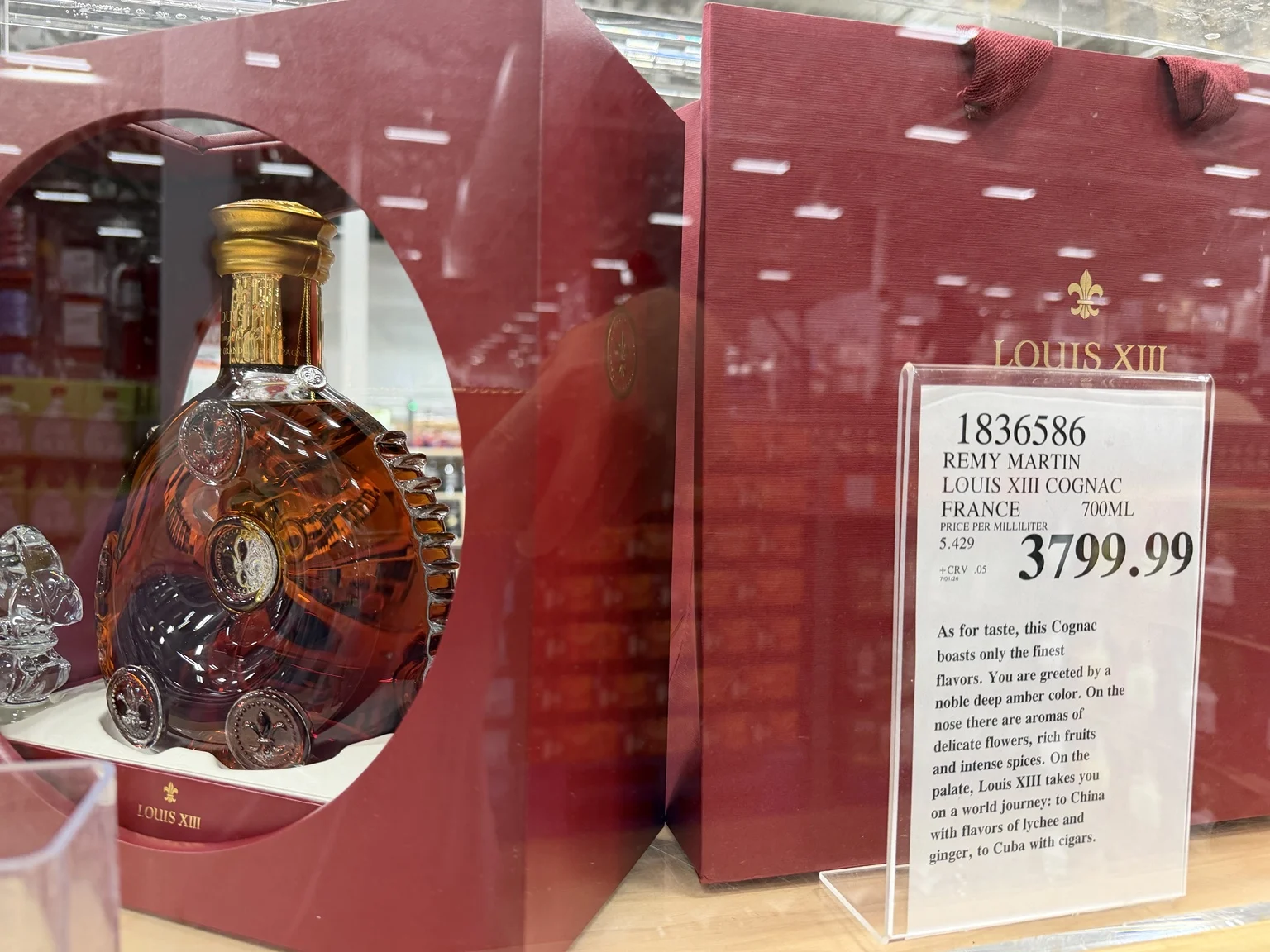
Most people hesitate before spending $6 on coffee. They compare gasoline prices, search for coupons and wait for something to go on sale.
The rich play a different game.
They are not trying to save 40 cents on laundry detergent. They are buying shares that cost more than many families spend on rent—and sometimes more than a used car.
Welcome to the $1,000 Stock Club.
The market screenshots used throughout this story were provided by StockRank, an investing app that displays stock prices, ratings, company data, news and historical charts.
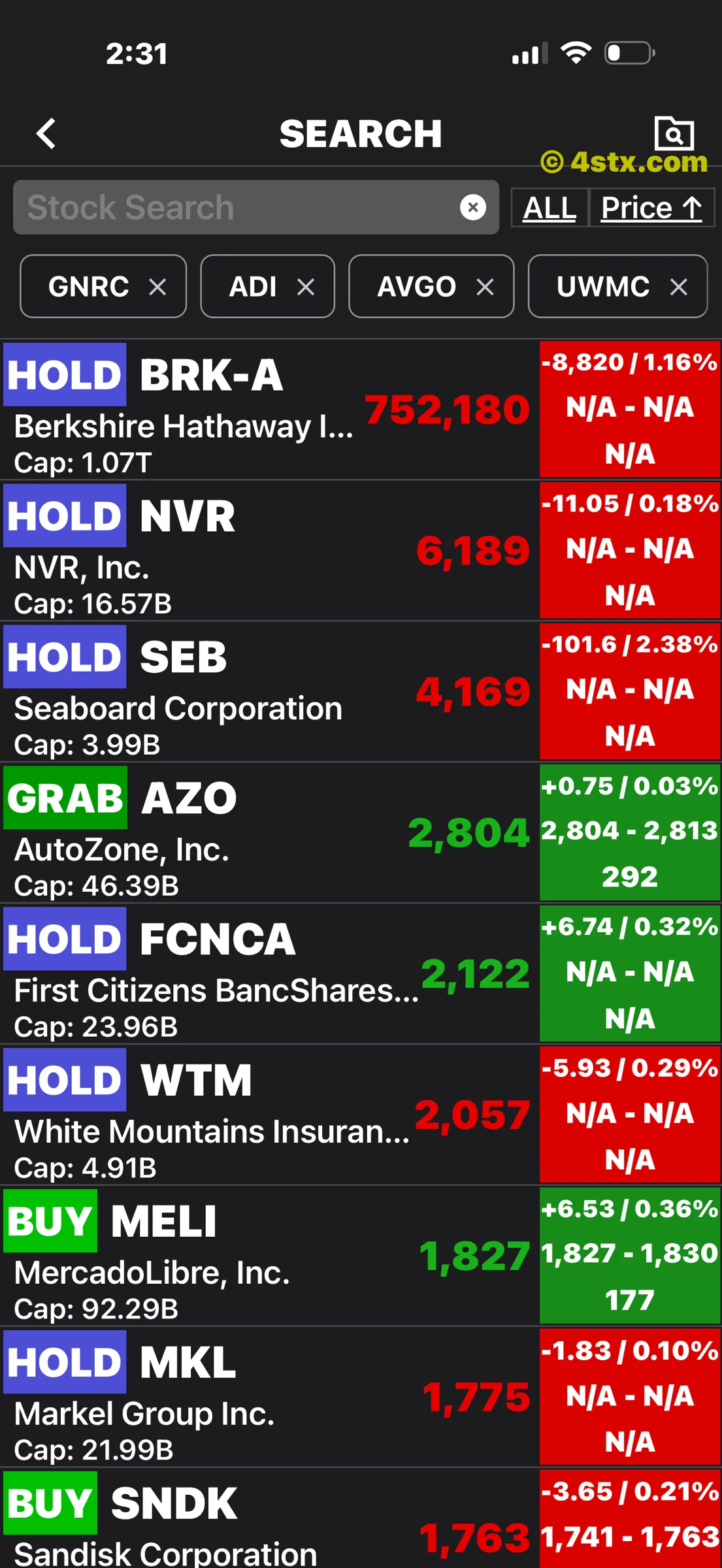
The list begins with Berkshire Hathaway Class A. One share in the screenshot costs approximately $752,180. That is not a stock purchase for someone trying to invest the $37 left before payday. It is the price of a house in many parts of America, compressed into a single electronic share.
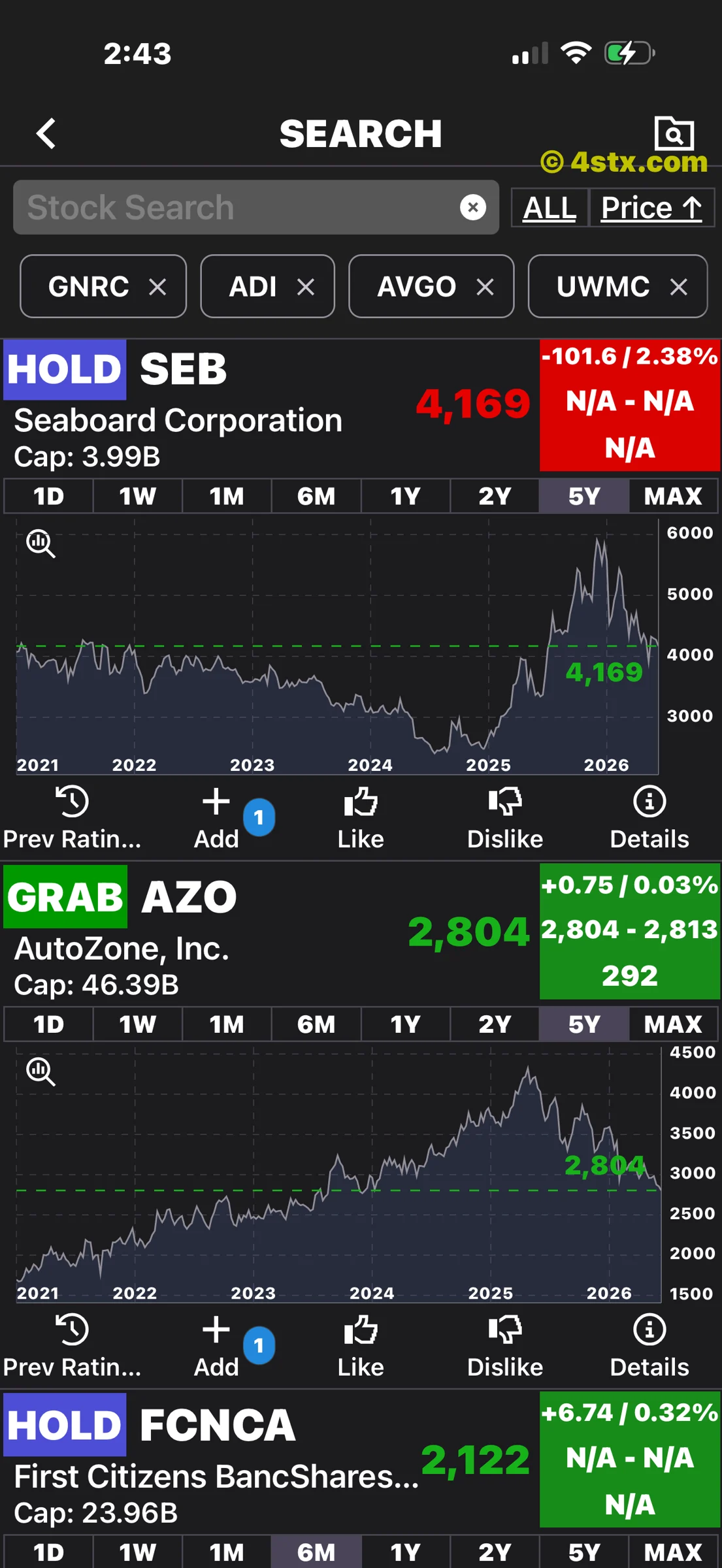
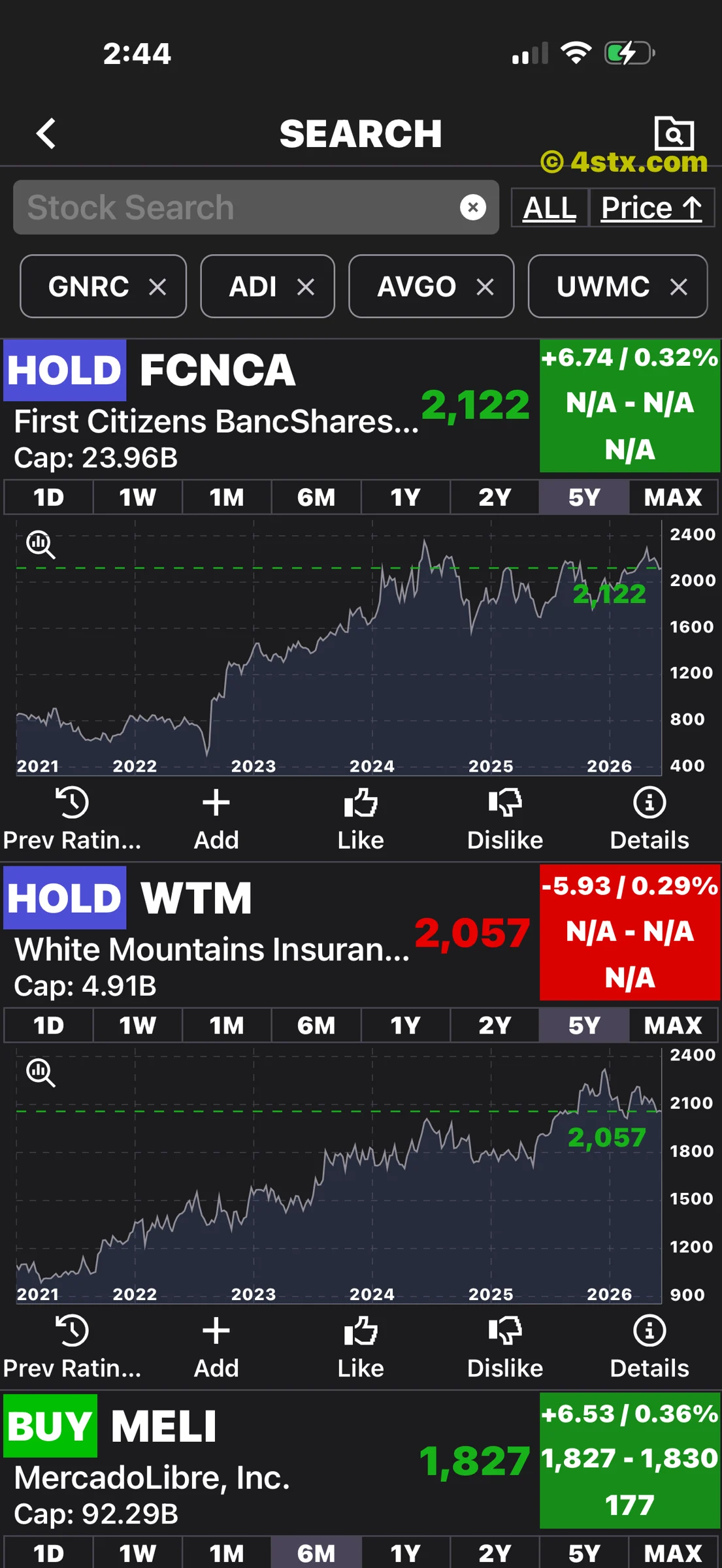
Below Berkshire stand other members of this expensive fraternity: NVR above $6,000, Seaboard above $4,000, AutoZone above $2,800 and First Citizens BancShares above $2,100.
The numbers almost look like typographical errors. They are not.
The Rich Don’t Want Spare Change
There is something psychologically powerful about purchasing an expensive stock. It feels substantial. Exclusive. Serious.
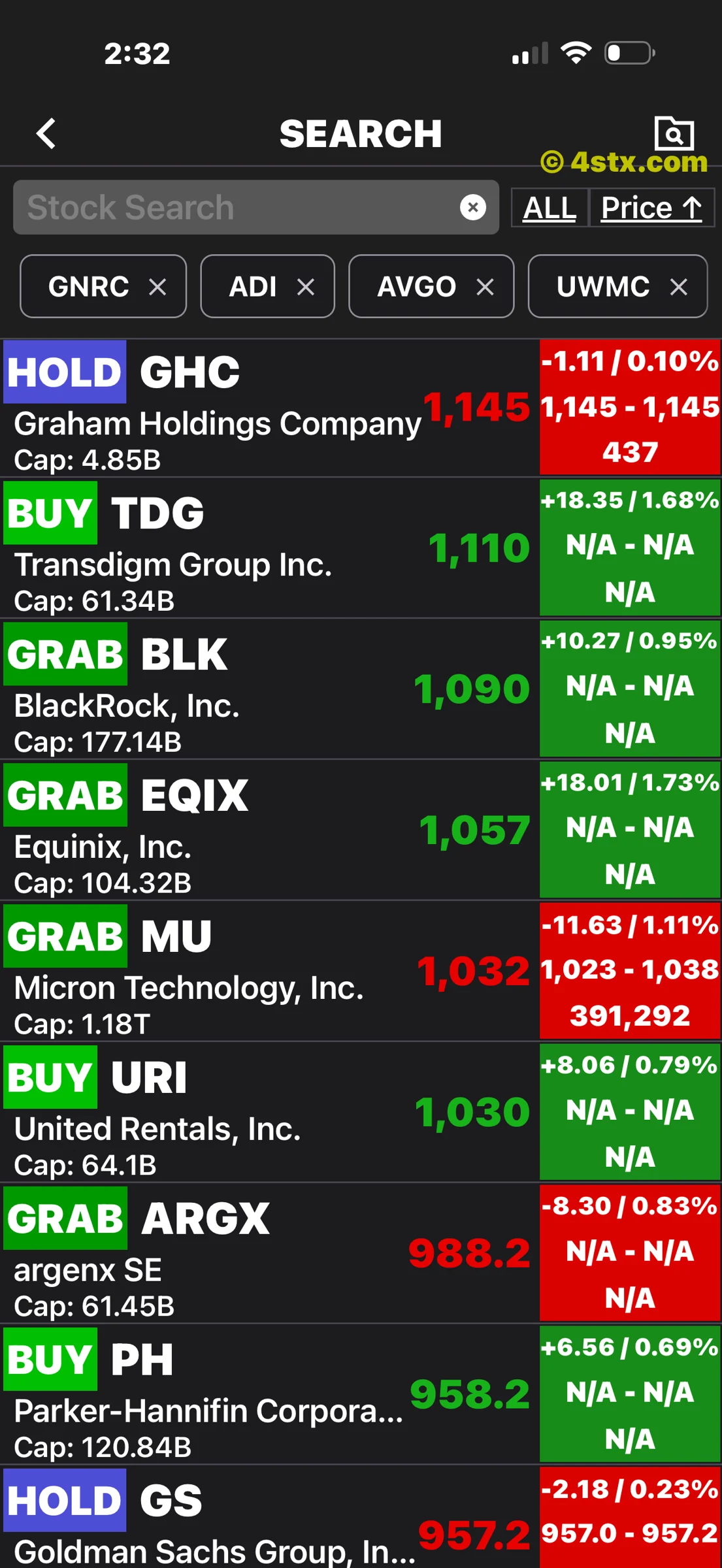
The wealthy do not want to nickel-and-dime their way toward prosperity. They deploy hundreds of thousands—or millions of dollars—into businesses they believe can multiply their fortunes. A $2 move means nothing to them. They are waiting for years of earnings, acquisitions and compounding to turn large fortunes into even larger ones.
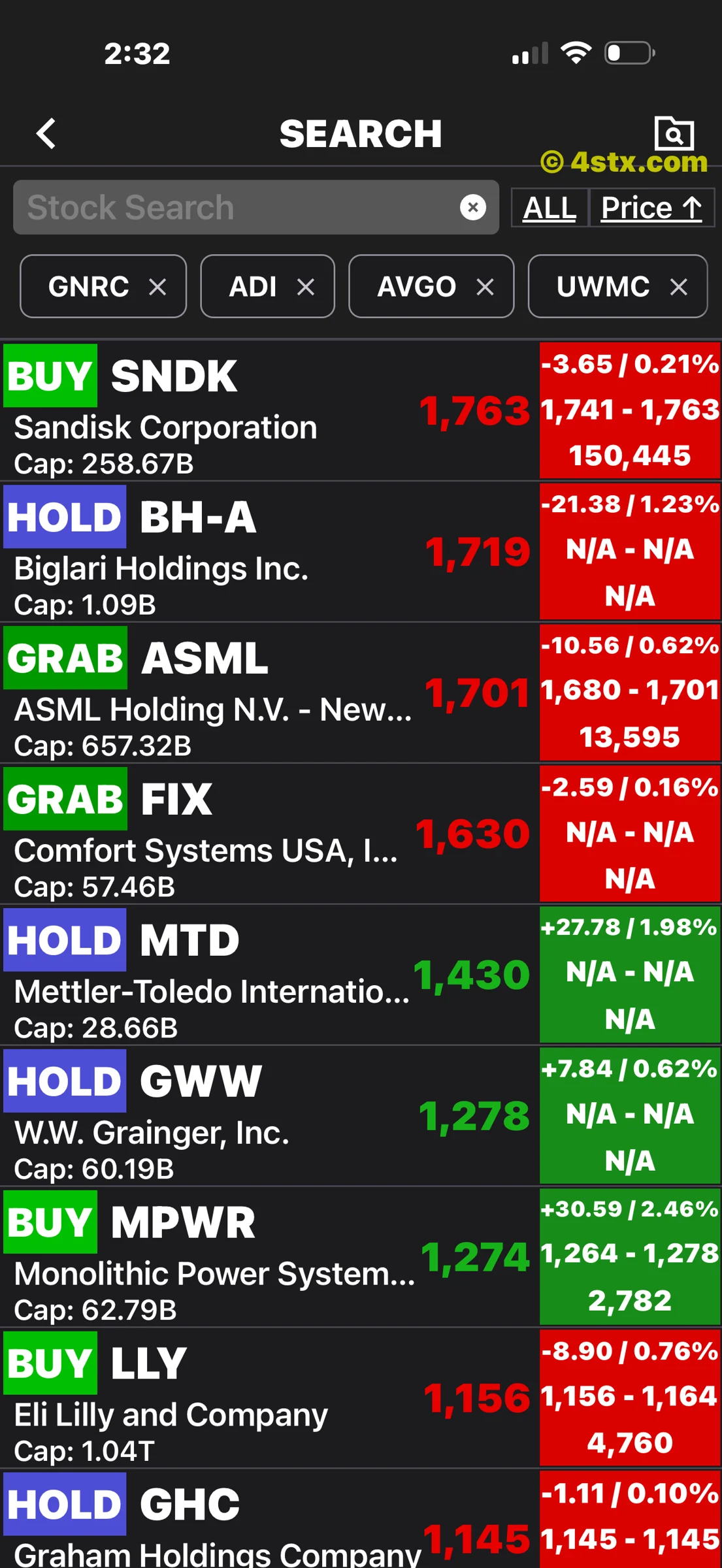
The screen is filled with companies trading above $1,000: ASML around $1,701, Comfort Systems around $1,630, Mettler-Toledo around $1,430, Grainger around $1,278 and Eli Lilly around $1,156.
To an ordinary worker, one share can represent a week or a month of take-home pay. To a multimillionaire, it is simply another line in a portfolio.
Rich investors are not necessarily attracted to these companies merely because their shares look expensive. They buy businesses, earnings and expectations. But the price creates a velvet rope around the stock—a reminder that Wall Street may technically be open to everyone while still feeling like a private club.
One Share Can Cost More Than a Family Vacation
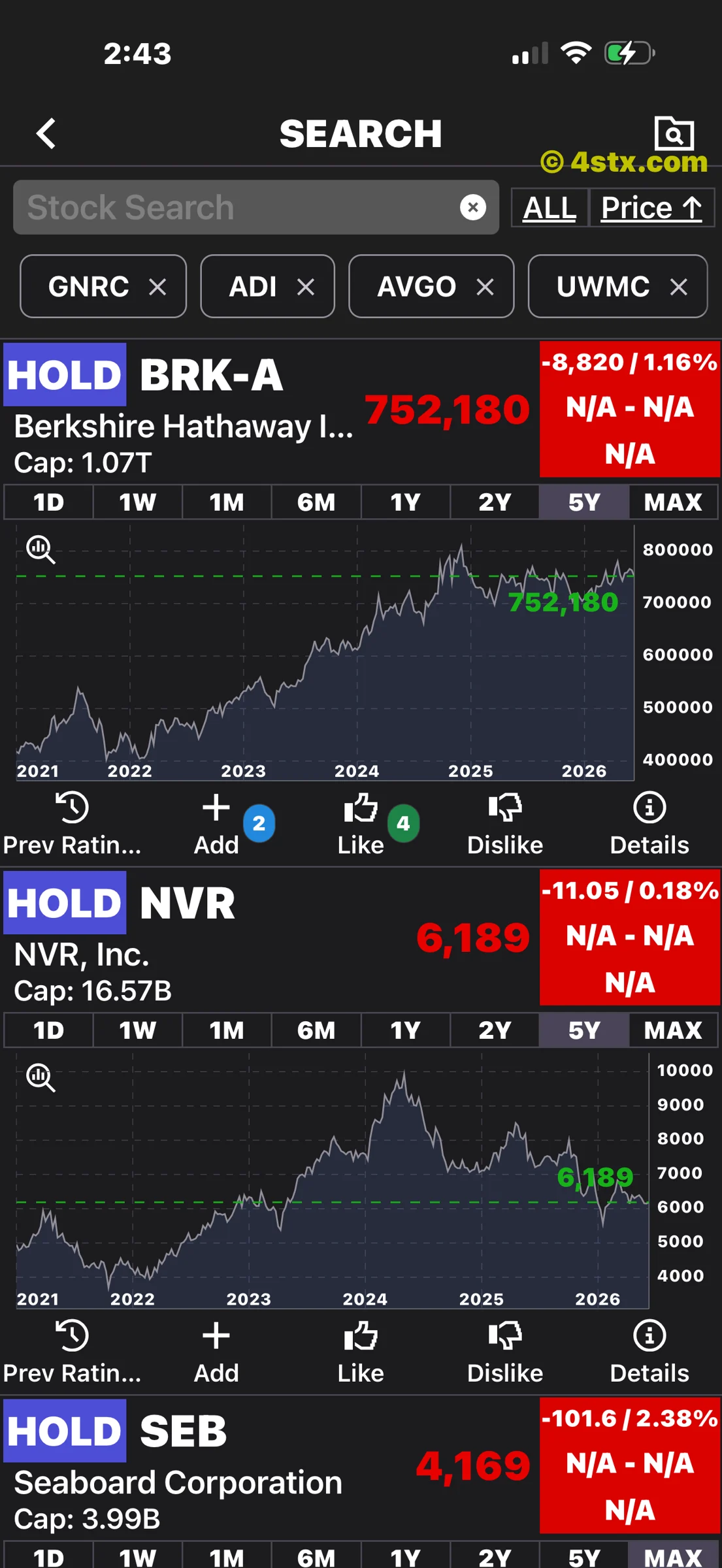
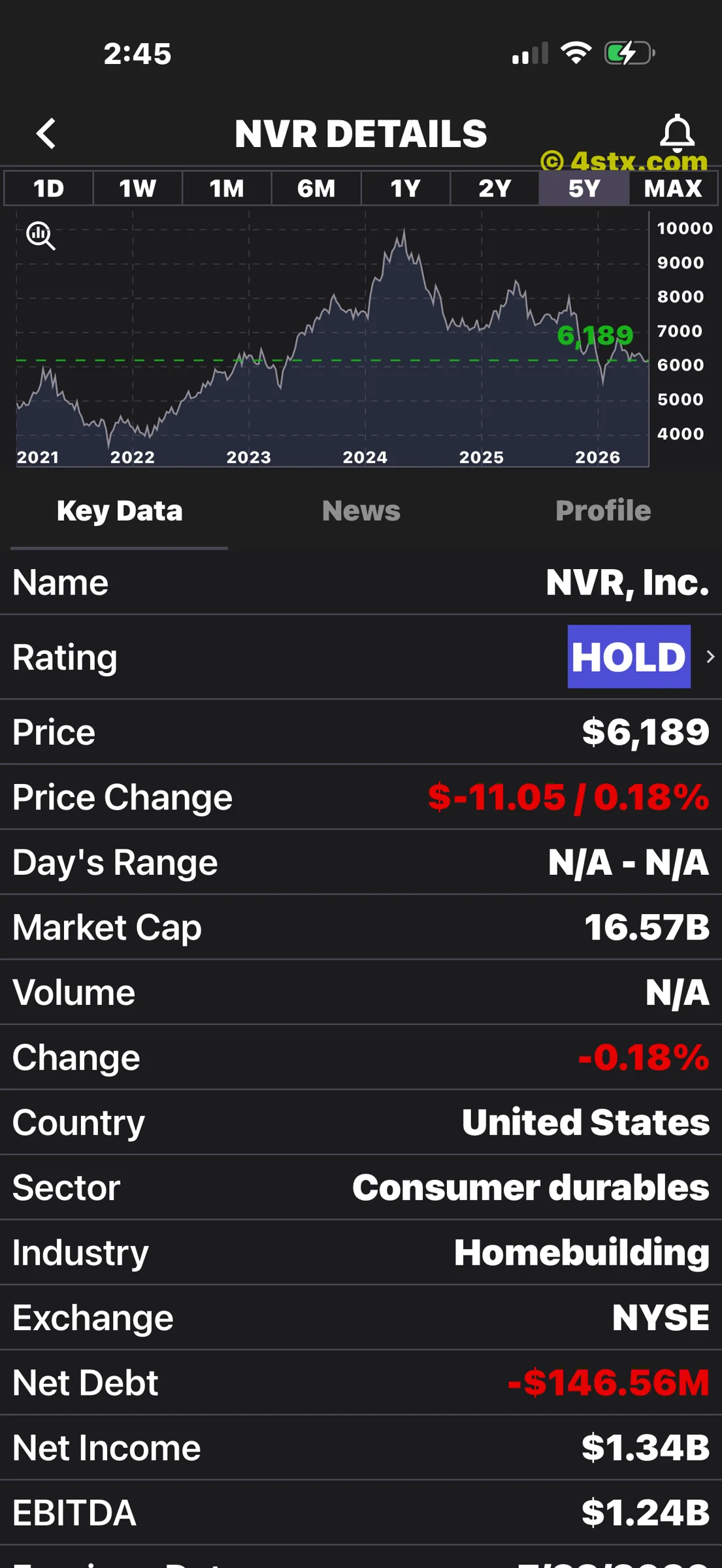
A single share of NVR costs approximately $6,189 in these screenshots. That could pay for a family vacation, several months of groceries or a stack of overdue bills.
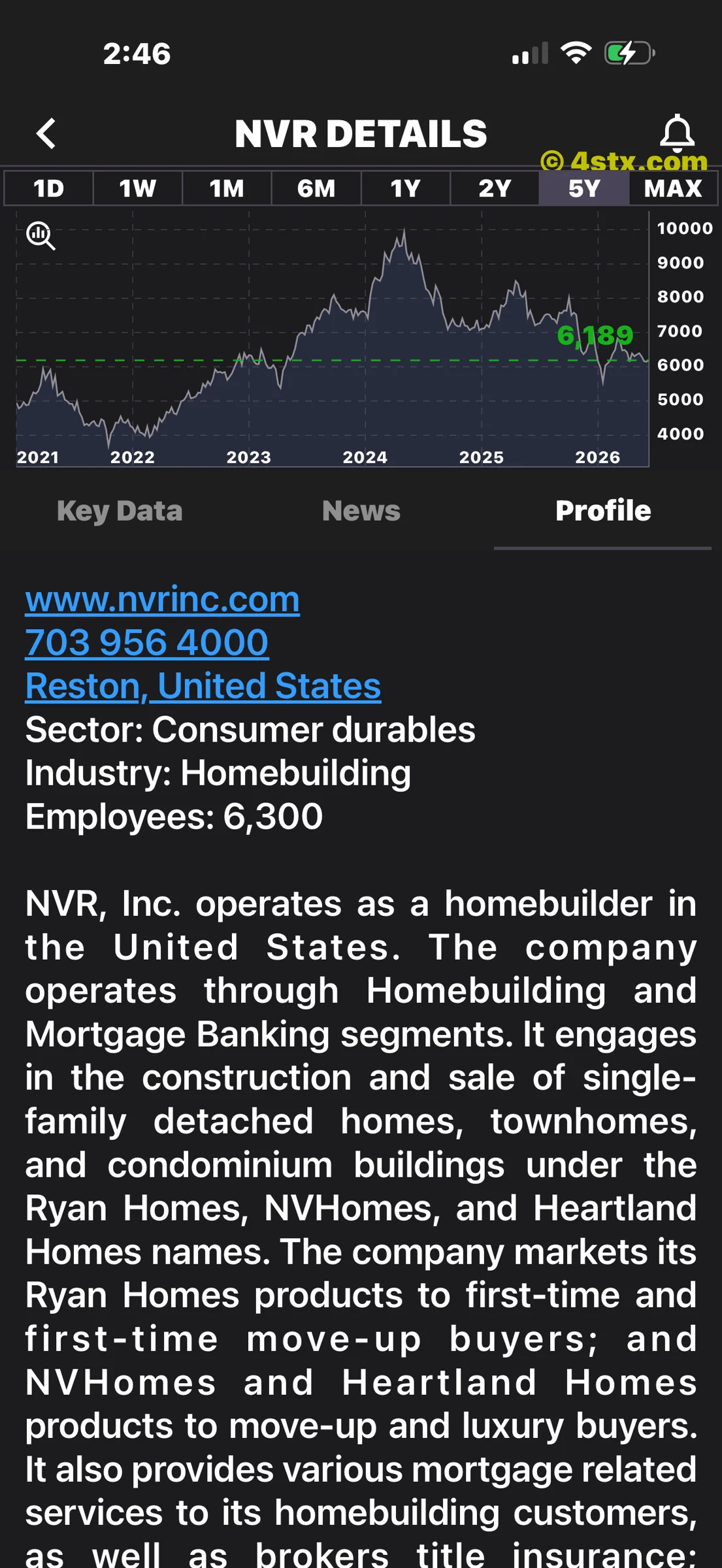
NVR is a homebuilder operating brands including Ryan Homes, NVHomes and Heartland Homes. The screenshot shows about 6,300 employees and approximately $1.34 billion in net income. Its stock chart climbed toward $10,000 before retreating to the $6,000 range.
NVR’s history also demonstrates an important truth: a large number printed beside a ticker does not eliminate risk. A $6,000 stock can fall just as a $6 stock can. Wealthy investors may spend more dollars, but they do not receive immunity from losses.
The difference is that they frequently have enough capital and time to survive volatility. A worker may need to sell investments after losing a job. A wealthy investor may be able to wait five years for a recovery—and buy more during the decline.
Record Earnings—and Pink Slips
Here is the bitter part of the story.
Across corporate America, layoffs can occur during periods of extraordinary profits, strong stock prices and record-breaking earnings. Companies no longer need to be approaching bankruptcy before cutting jobs. They may reduce headcount while simultaneously announcing impressive financial results.
To shareholders, fewer employees can mean lower expenses and higher margins. To a worker, it means losing income, health insurance and stability—perhaps while watching the company’s stock celebrate another profitable quarter.
This is modern capitalism’s cruel split screen: one side displays earnings, margins and shareholder returns; the other displays severance paperwork and a family trying to determine how long its savings will last.
The investor sees efficiency.
The laid-off employee sees the mortgage payment due next month.
The market can reward a company for becoming more profitable even when the people who helped create those profits are being shown the door.
A $6,189 Stock Still Has Buyers
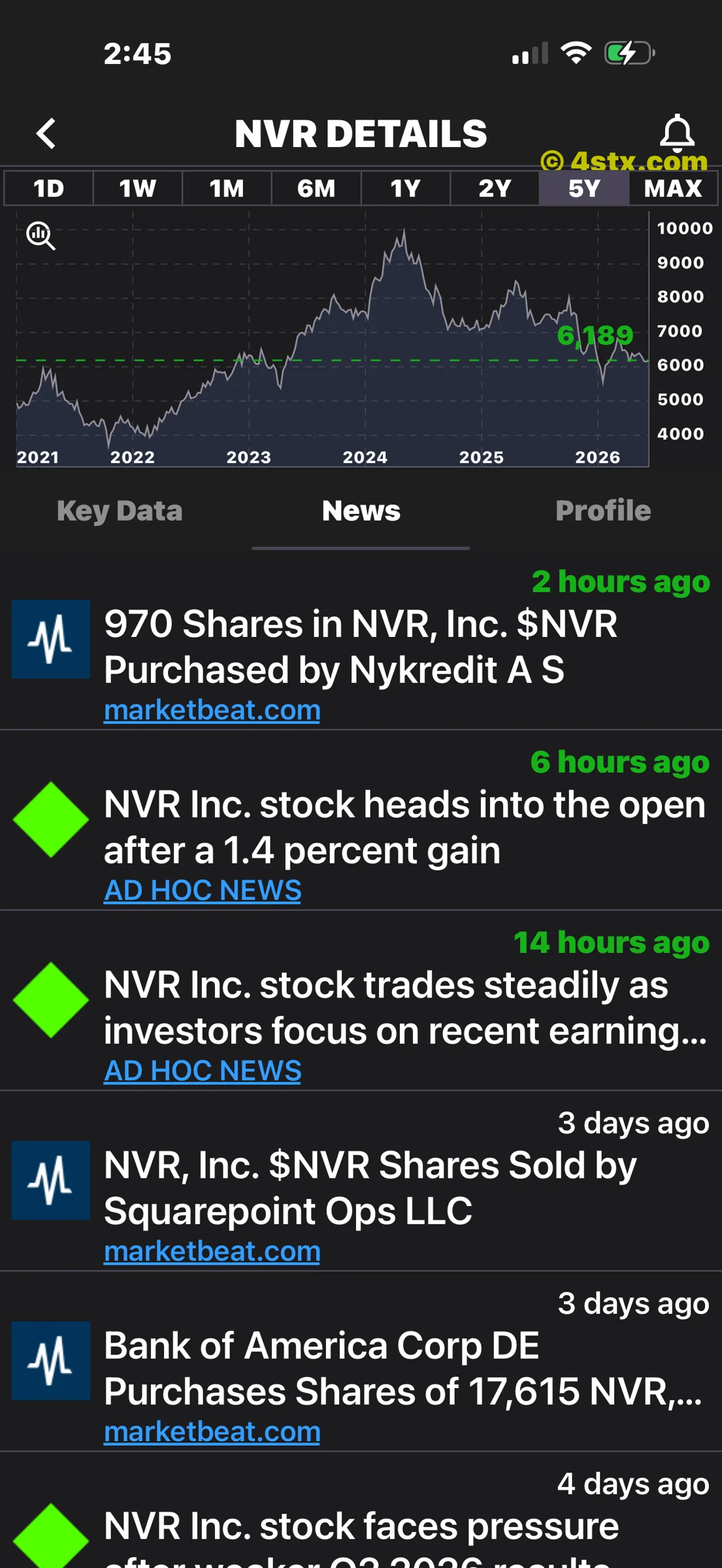
The NVR news screen shows institutional activity involving hundreds—or thousands—of shares. At more than $6,000 per share, even a relatively modest transaction can represent millions of dollars.
That is how the rich multiply fortunes. They do not buy one share and hope it pays the electric bill. They move enough capital for a 10% gain to purchase another house.
A $1 million position that rises 10% produces $100,000.
A $1,000 investment with the same performance produces $100.
The percentage is identical. The lived experience is not.
Capital rewards those who already possess capital. Once someone has enough money invested, the portfolio can earn more in a good day than another person earns through months of labor.
The Price Is Partly an Illusion
There is one necessary correction to the spectacle: share price is not the same as company value.
A company can split one $1,000 share into ten $100 shares without changing the value of the business. Berkshire Hathaway deliberately avoids splitting its Class A stock, while many other companies regularly split shares to make them appear more accessible.
Fractional-share trading also allows ordinary investors to purchase part of an expensive stock. You may not need $6,189 to invest in NVR if your brokerage permits fractions.
But the screenshots still reveal something real. They show businesses whose owners have allowed their shares to climb into four, five and even six figures. The prices become trophies—symbols of decades of growth, restrained share splitting and enormous pools of investor wealth.
Wealth Watches Itself Grow
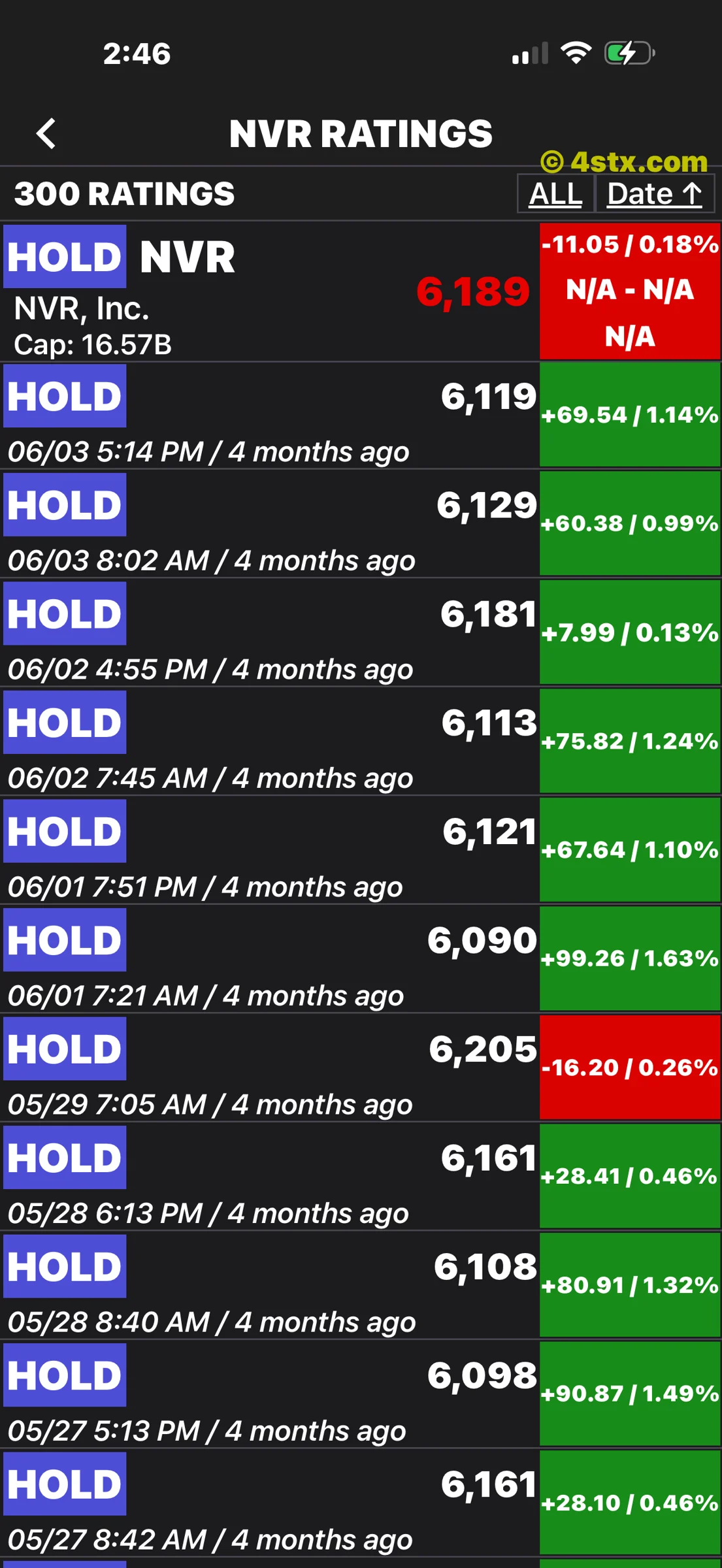
A movement of just 1% in a $6,000 stock represents more than $60 per share.
For a wealthy investor holding 1,000 shares, a $70 increase is a $70,000 gain. For someone who has just been laid off, $70 may determine whether the refrigerator is full that week.
That contrast is the real Taste of Money.
The same economy can produce record earnings and record anxiety. It can reward shareholders while dismissing workers. It can turn one person’s spreadsheet into another person’s eviction notice.
The rich do not want to nickel-and-dime. They place enormous bets on expensive businesses and allow capital to compound. Meanwhile, millions of workers are told to cut subscriptions, skip restaurants and build an emergency fund large enough to survive the next corporate “efficiency initiative.”
The $1,000 Stock Club is not merely a collection of unusually priced securities.
It is a window into two Americas: one worried about the cost of bread, and another deciding how many $6,000 shares to purchase before lunch.
Image credit: Market screenshots provided by the StockRank app.
Editor’s note: Share price alone does not determine whether a company is expensive or inexpensive by valuation. This article is commentary, not investment advice.